← Back to Projects

BIM + Construction & Conception Virtuelles
Type:
Professional Research Paper
Scope of Work:
• Research Effort & Theoretical Writing
• Editorial Design
Completion Date:
September 2022
Project Description:
The aim of this professional research paper is to examine architecture as a profession from the analytical stand point of a personal practice, which has been deeply shaped by the prevalence, and sometimes dominance, of BIM [Building Information Modeling], VDC [Virtual Design & Construction], and digital tools in international working environments.
VDC, which has been an inherent part of a personal practice of architectural design, is still perceived today by many as a complex and elusive set of complex processes and tools, seemingly disconnected from the creative aspects of space ideation and architectural design. These tools often create a sense of constraint and resistance among practitioners.
These concerns and hesitations echo those encountered during the widespread adoption of computer-aided design in the 1980s. Unlike a disruptive innovation, BIM fits into a continuum of technological advancements in the architect's toolkit that began in the latter half of the 20th century. BIM & VDC technologies, as an evolution of the profession's computerization since the 1980s, encapsulate architects' questions regarding the challenges posed by the profession’s digital transition.
This transition, which is both necessary and inevitable, implies a profound transformation of the profession, with BIM & VDC playing a central role as both a tool and a working methodology.
Through this lens, the aim was to conduct a forward-looking analysis of the foundations of the architect's profession, upon which the creative process of design relies:
• The evolving regulatory landscape of the profession, requiring mastery of specific tools and concepts to successfully design & deliver architectural projects.
• The responsibilities of the architect and how they intersect with the collaborative nature of BIM-driven work.
• The economic and environmental aspects of projects, areas where architects can regain influence through digital quantification tools.
Institution:
École Nationale Supérieure d'Architecture de Paris Malaquais
Professor:
Edouard Ropars, Isabelle Chesneau
Download:
Team:
Individual Work
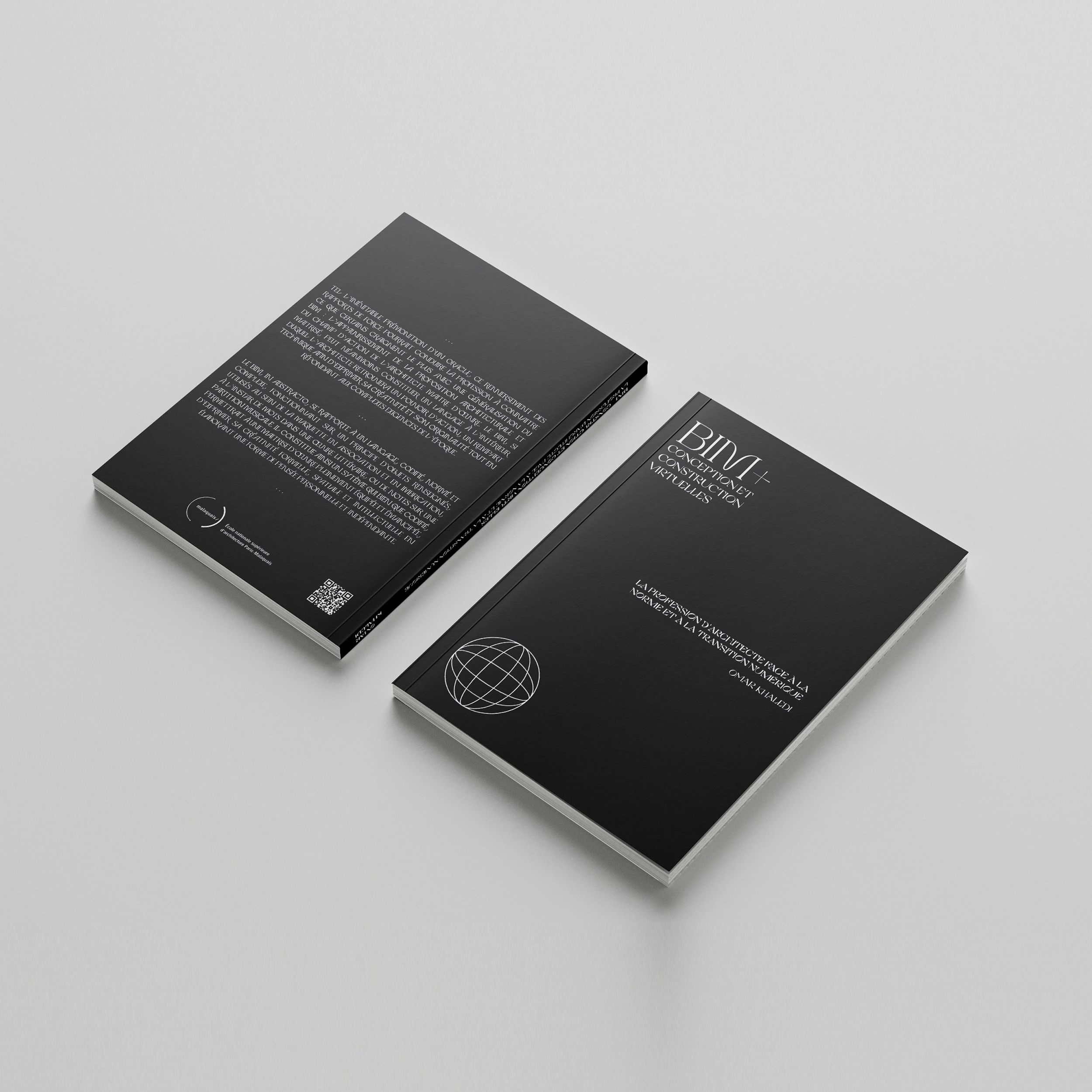
Front & Back Covers
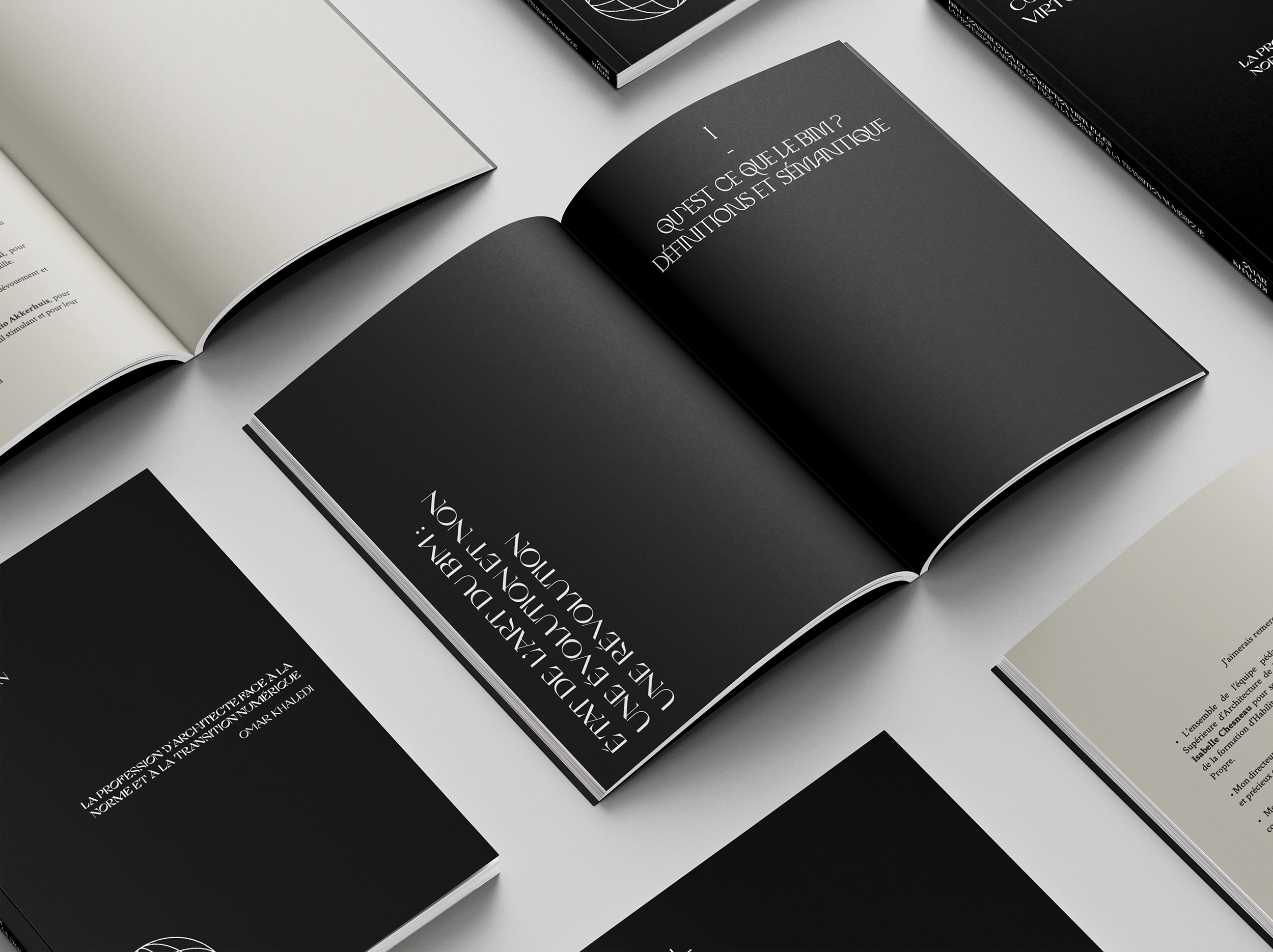
Introductory Pages
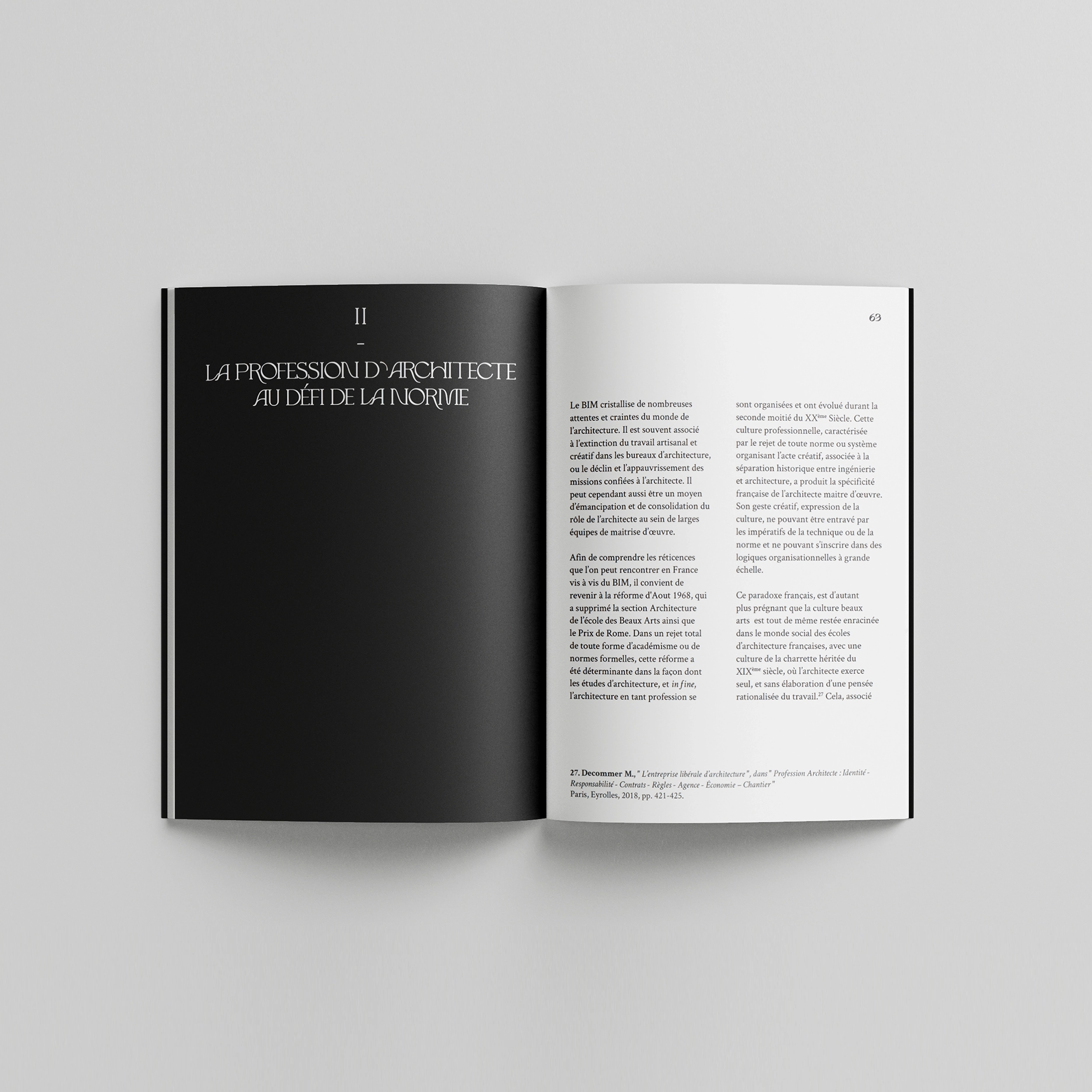
Pages 62 - 63
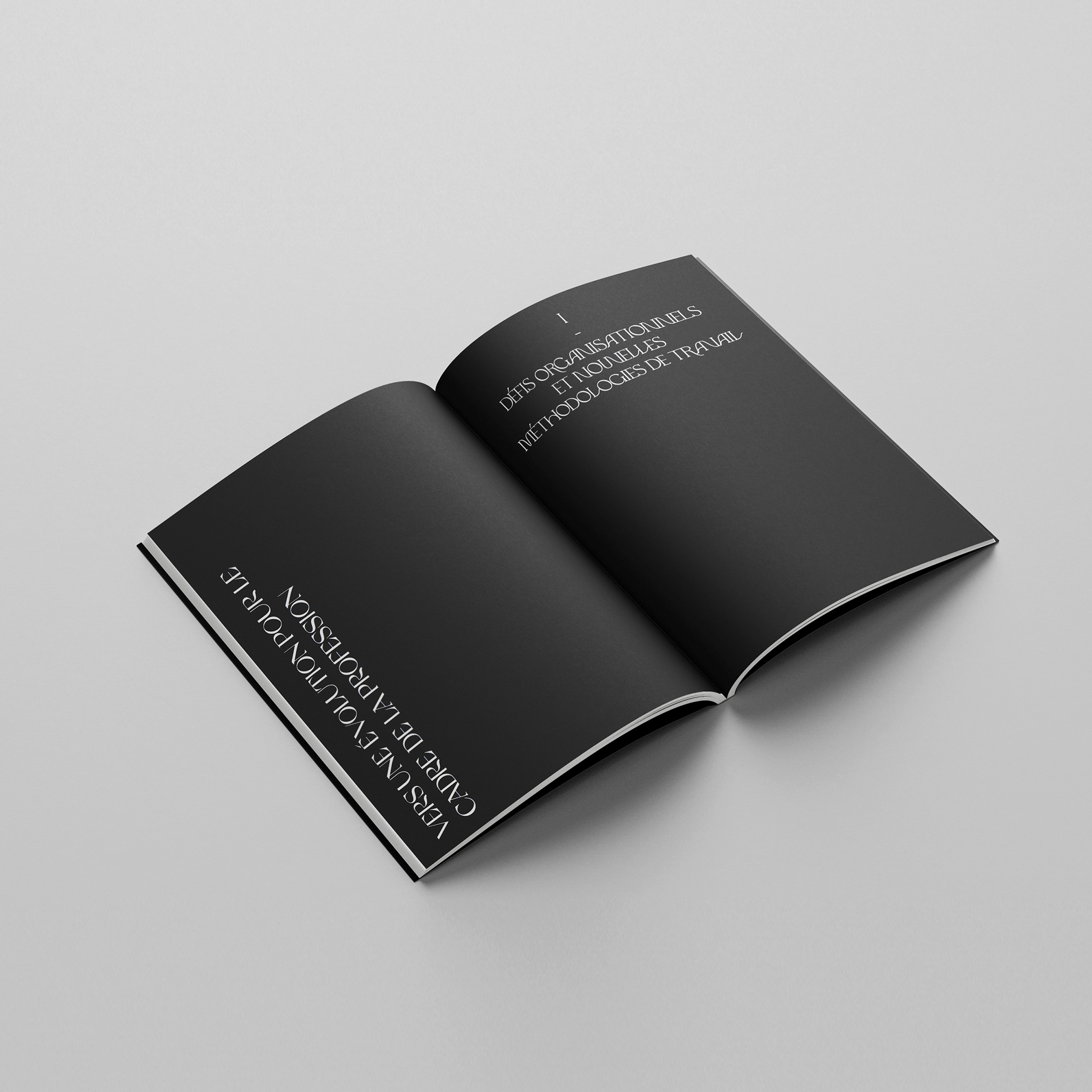
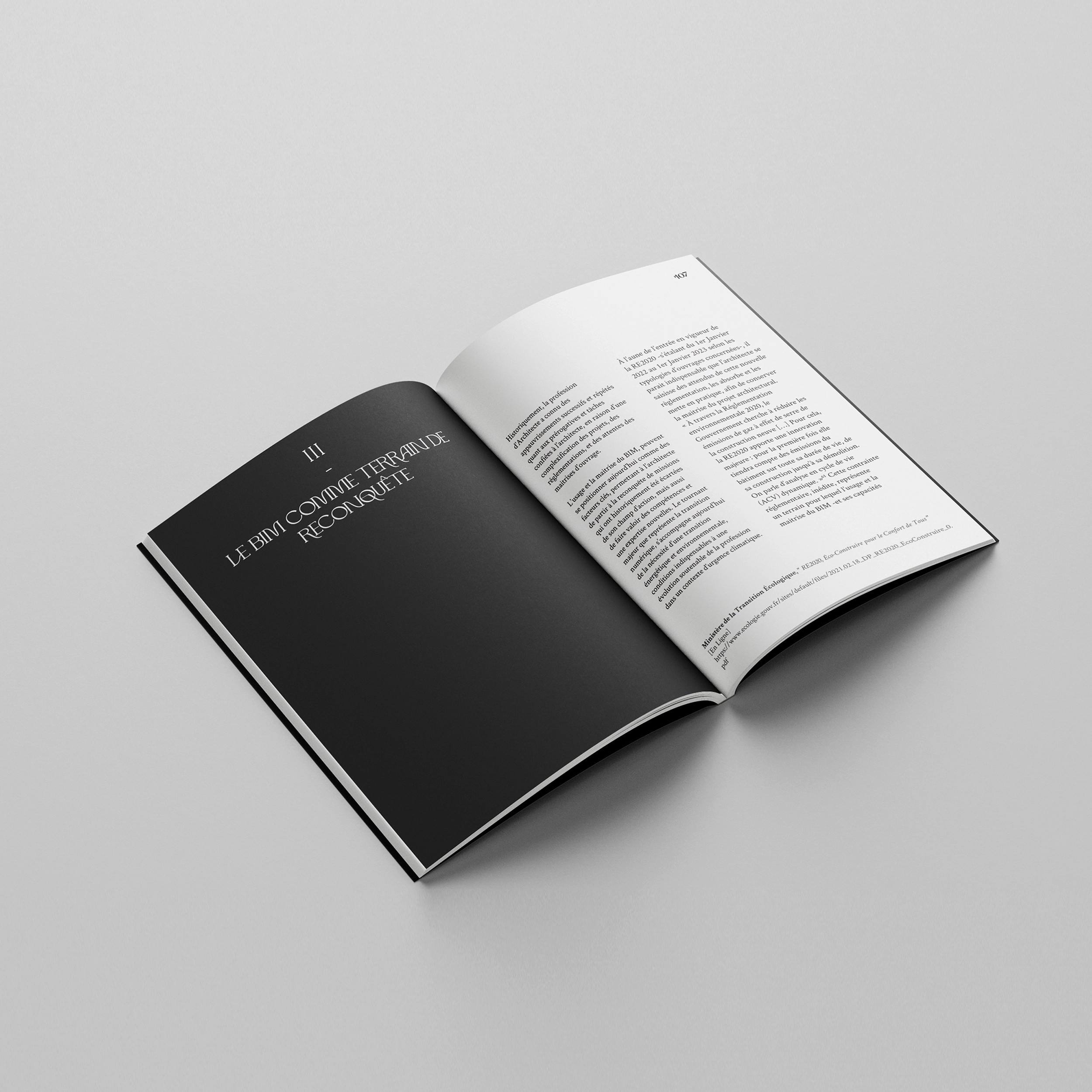
Pages 98 - 99
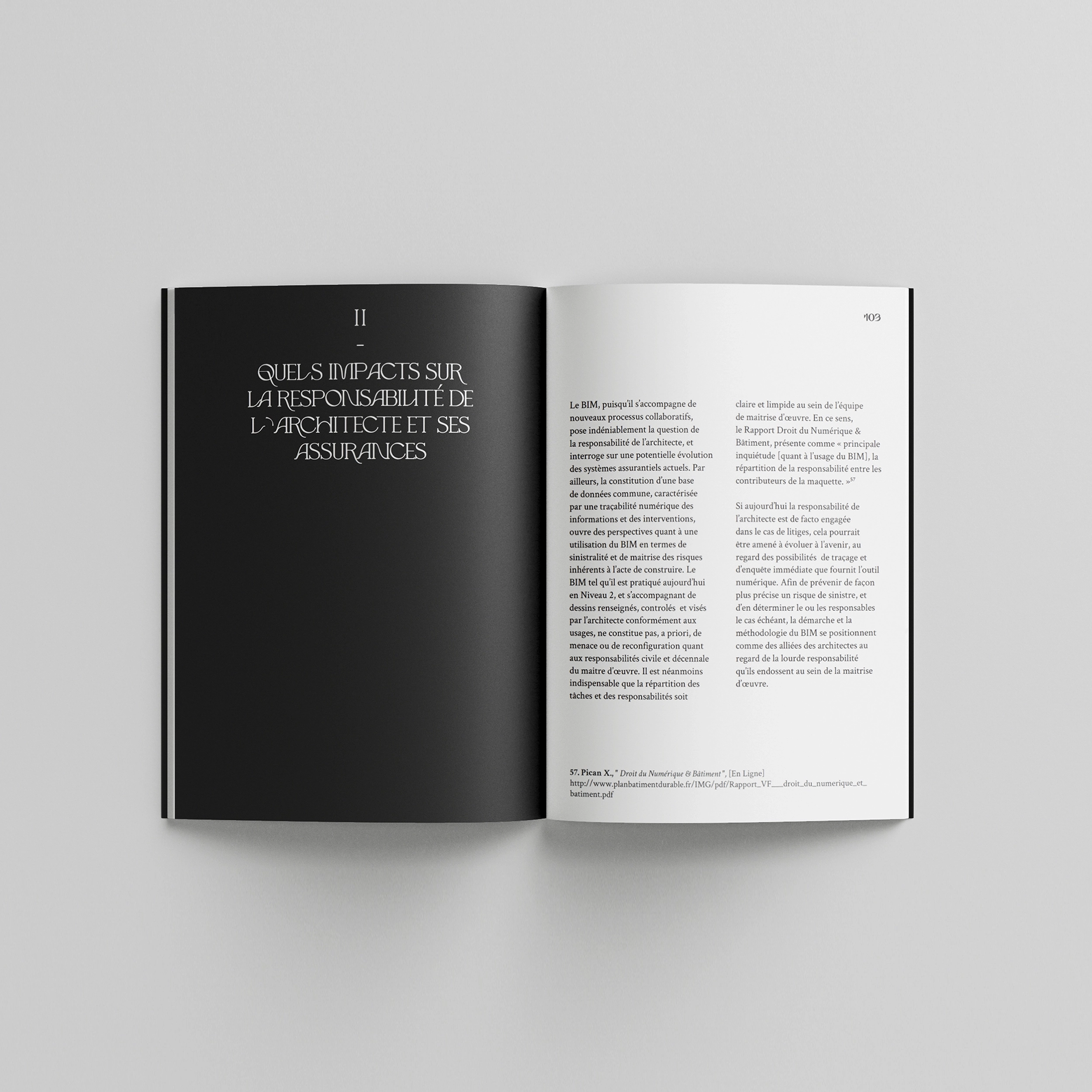
Pages 108 - 109