← Back to Projects

Meelfabriek, Singel Toren
Type:
Residential - New Construction
Intervention Phase:
• Design Development
• Construction Documentation
Scope of Work / Personal Contribution:
Detail Development for the Project’s Façades and Window Interfaces
Surface :
5000m2
Status:
Completed - April 2022
Project Description:
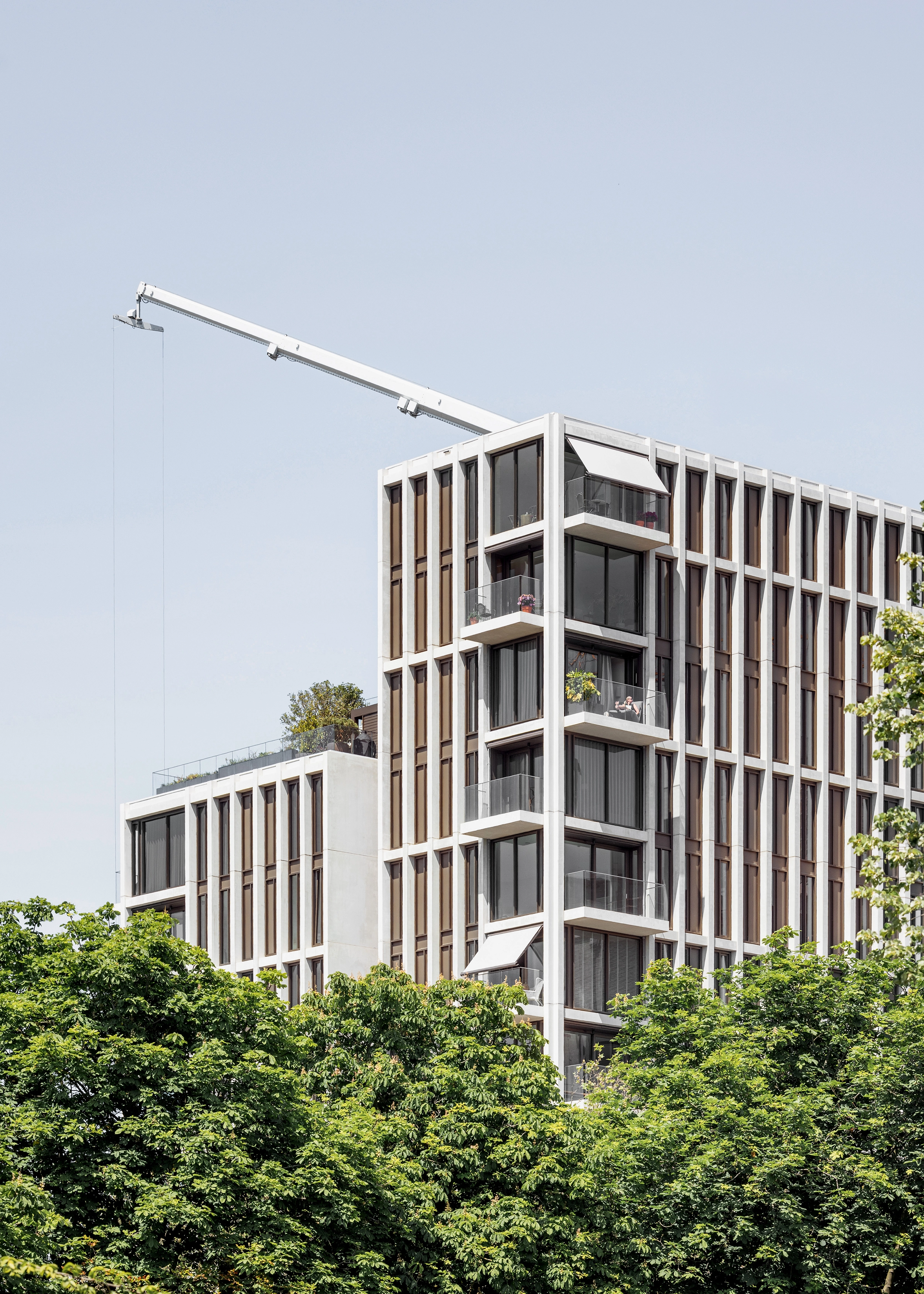
The Singel Toren is the latest addition to the Meelfabriek complex, the next step in an ever evolving former industrial complex. Its design, showcasing divided volumes that further mark the significance of the Meelfabriek in Leiden’s urban fabric, harmoniously blends with the volumetric diversity and formal composition of its industrial setting.
The exposed structural concrete frame, associated with a crisply detailed facade, creates an austere, yet, visually appealing building. Functionally this allows for column-free, loft apartments. The transparent ground floor integrates socially conscious concessions and activities, fostering a vibrant and inclusive public realm.
There was a strong desire by the client to create new housing and community spaces within the site , that would seamlessly blend within the listed industrial heritage site: It was important for the building to act as a notable landmark while also maintaining formal and visual continuity with the buildings on site. Additionally, the client sought to establish a visually transparent, vibrant, and inviting ground floor that could accommodate various activities, with a particular focus on the social usefulness and utility of this space.
The Singel Toren was constructed on top of a new parking space, which presented a unique planning constraint: The complexity of the parking infrastructure and the requirement for water casing and tubing caused a two-year delay in the construction timeline. To mitigate this, a strategic overlap of construction phases was implemented, to ensure an efficient construction process, with a specific emphasis on minimising costs and disruptions.
The building employed a limited combination of materials: the main structural framework was cast in place using exposed concrete, which not only had structural abilities, but also contributed to the desired raw and industrial aesthetic. Wood was also utilised in interior finishes and details to add warmth and visual interest.The windows and curtain walls of the tower have powder coated bronze frames that complement the Meelfabriek colour palette, and host energy efficient glazing. To further improve thermal efficiency and create a continuous and elegant façade, the windows integrated Isokorf® insulated panels that allowed for enhanced efficiency with no thermal gaps, while preserving the overall aesthetic coherence of the façade.
Overall, the materials and construction methods employed in the Singel Toren project aimed to achieve a balance between architectural integrity, thermal comfort, environmental sustainability, and cost efficiency.
The design of the Singel Tower, while being subdued and devoid of any formal extravagance, addresses contemporary challenges in innovative ways. One of the primary challenges was to create a load-bearing façade that was energy efficient while maximising transparency and views on the skyline of Leiden. To address this, the project relied on thermal break load bearing elements (Isokorf®), typically used for concrete balconies. In this case, Isokorf® was employed in an atypical way, as a connection to hold the entire façade. This approach allowed for a load-bearing system that remains visually open and transparent, offering an enormous scope for design while highly minimising thermal bridges, avoiding heat loss, damp walls, and potential structural damage.
Another challenge the design sought to address was to maintain economically viable housing density, while providing each apartment with a corner living space, and ensuring natural illumination for corridors.The use of staggered balconies helped achieve this objective, ensuring well-lit spaces for all apartments.
The structural façade, along with a regular grid system, resulted in a highly flexible interior layout. This layout provides programmatic scalability and adaptability, allowing for a versatile use of the building over time. The use of exposed and load-bearing concrete anchors the building in its context and aligns with the project's focus on creating a visually appealing building.
To enhance thermal comfort, a virtuous underfloor heating system was implemented. This system takes advantage of the thermal inertia of concrete and provides efficient heating throughout the housing units and public spaces.
Additionally, a maintenance crane was incorporated into the design, allowing for an easy cleaning of the façade and modulation if needed during future renovations. This feature enables infinite variations in the façade's design, contributing to the overall adaptability and longevity of the building over the long term.
The Singel Toren project demonstrates a strong commitment to both people and the planet through various design strategies. The building reopens the Meelfabriek Complex to the city and its inhabitants, reconnecting them to Leiden's outstanding industrial heritage. The building serves as an entrance threshold, and as a symbol for a new chapter added to the site's history. The ground floor is made available to a neighbourhood association and a social integration organisation, fostering community engagement, and anchoring their presence in the neighbourhood.
To minimise energy losses, the project employs an efficient facade design and connects to the local energy distribution network. The use of thermally inert materials improves the building's performance, reducing energy consumption and enhancing comfort. The design also focuses on long-term durability and adaptability, allowing for changes of use without significant intervention, thus promoting sustainable and versatile development.
The project minimises waste of resources by allowing apartment buyers to choose layouts and finishes according to their preferences, reducing the need for post-construction modifications. High-quality glass insulation, such as triple glazing contributes to improved thermal efficiency, and increased comfort. The Singel Toren also relies on sustainable energy sources, extracting heat from the earth through closed-loop heat pump systems. This geothermal approach will provide sustainable energy throughout the building’s lifecycle.
Monitoring energy consumption through a smart building system, while raising awareness amongst users, helps encourage sustainable practices with the global aim of reducing the building’s environmental and carbon footprint. The developer's investment in sustainability measures, amounting to 20% of the building cost, is a statement of their strong commitment to creating a future-oriented, energy-efficient building. While specific details regarding embodied and operational carbon footprints are not provided, the Singel Toren exemplifies a holistic approach to sustainability, incorporating measures to minimise waste, and maximise energy efficiency, while preserving resources.
Architect :
Studio Akkerhuis Architects
Landscape Architect :
Lola Landscape
Structural Engineer :
Pieters Bouwtechniek
Acoustics, MEP & Fire Security:
LBP Sight
Photo Credits:
Corentin Haubruge
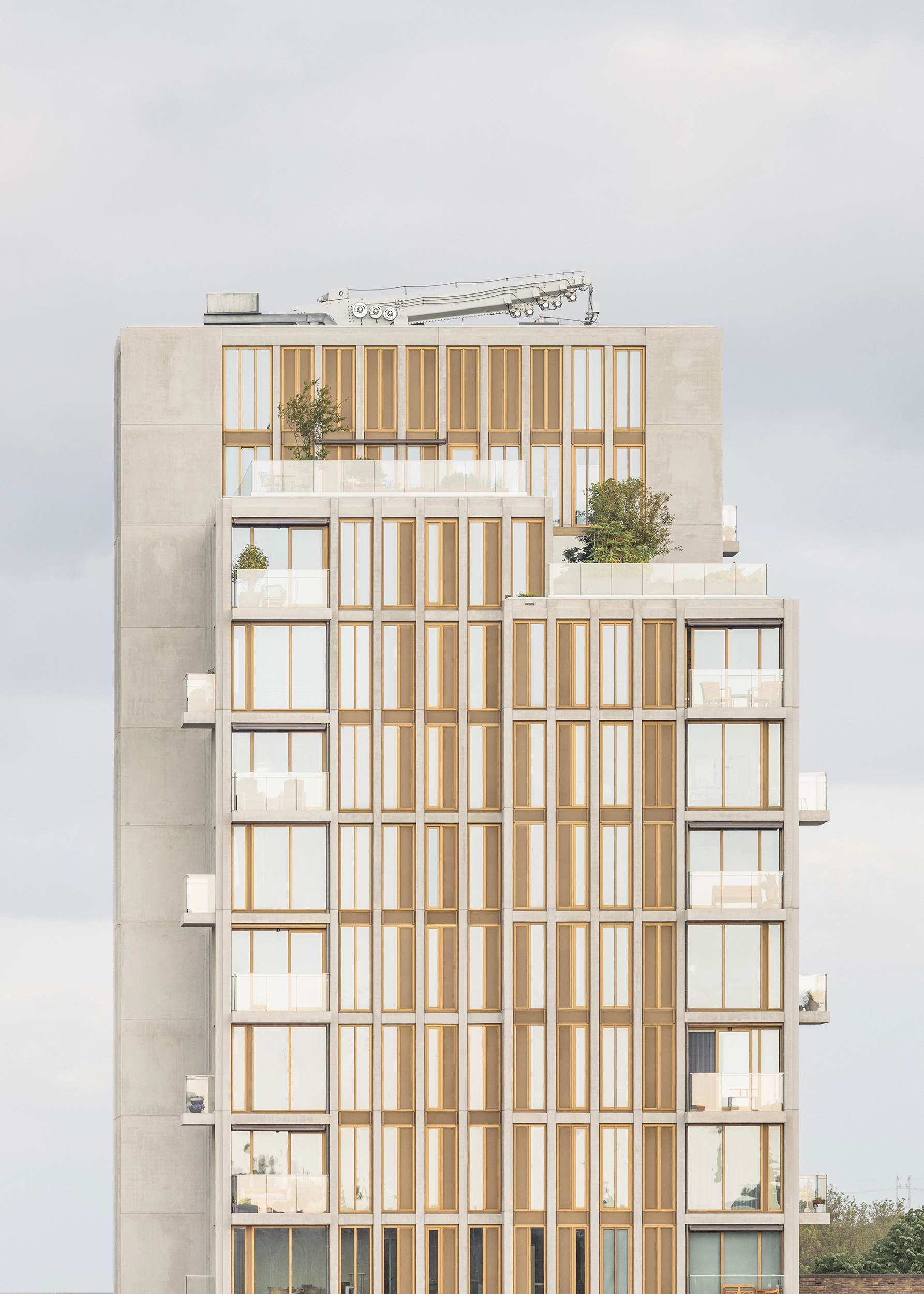
West façade - Frontal Shot
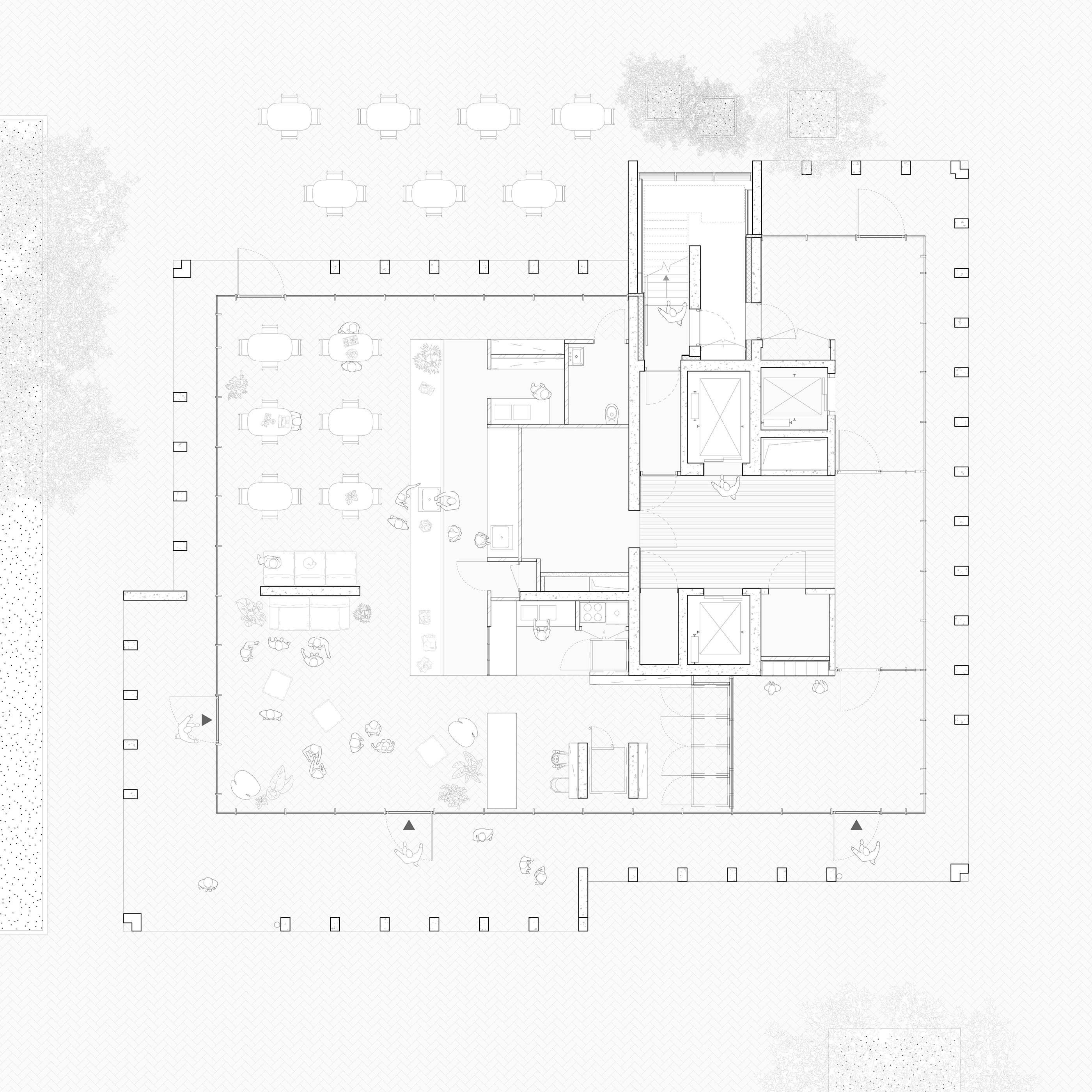
Ground Floor Plan
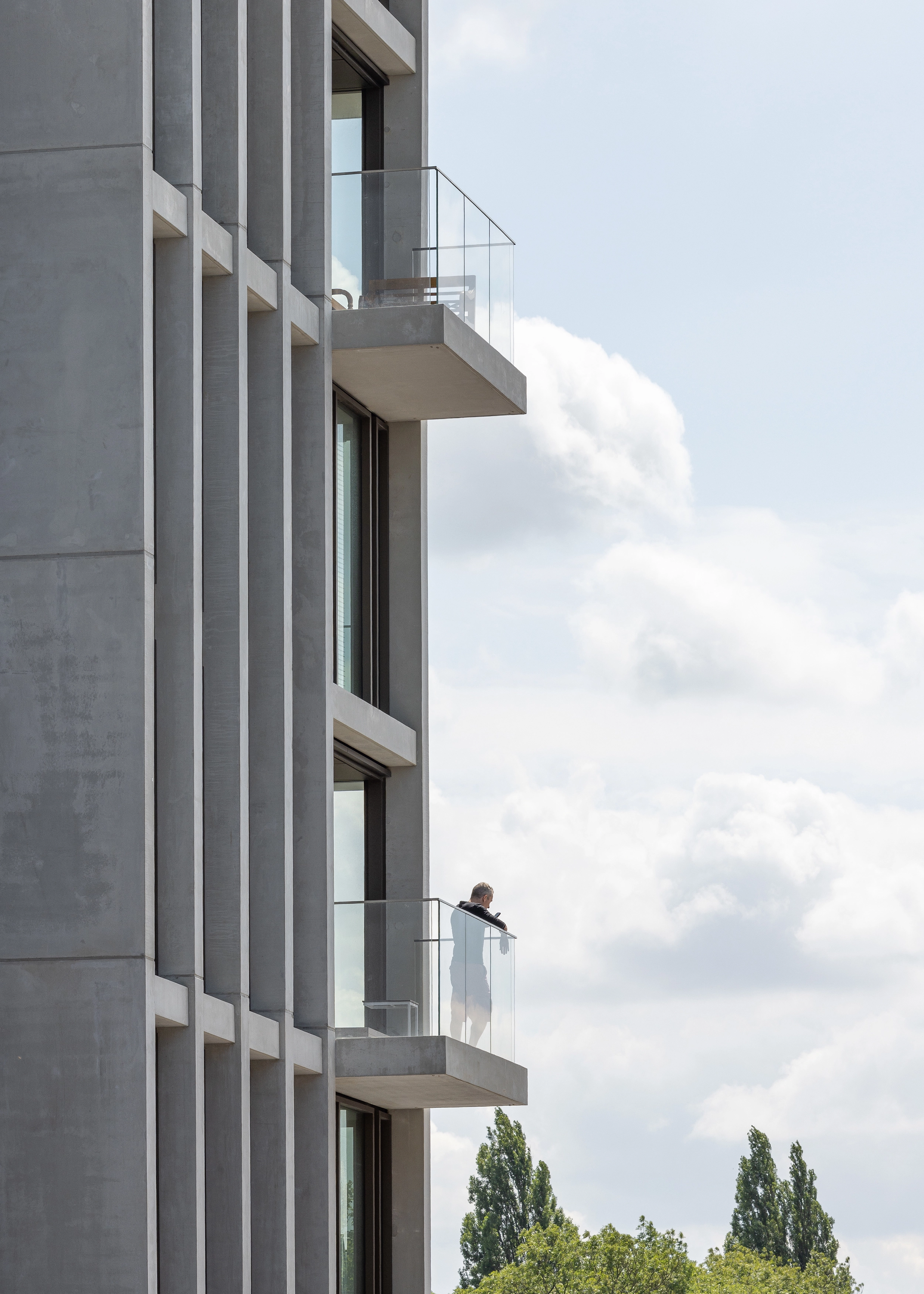
Balconies - Exterior Shot
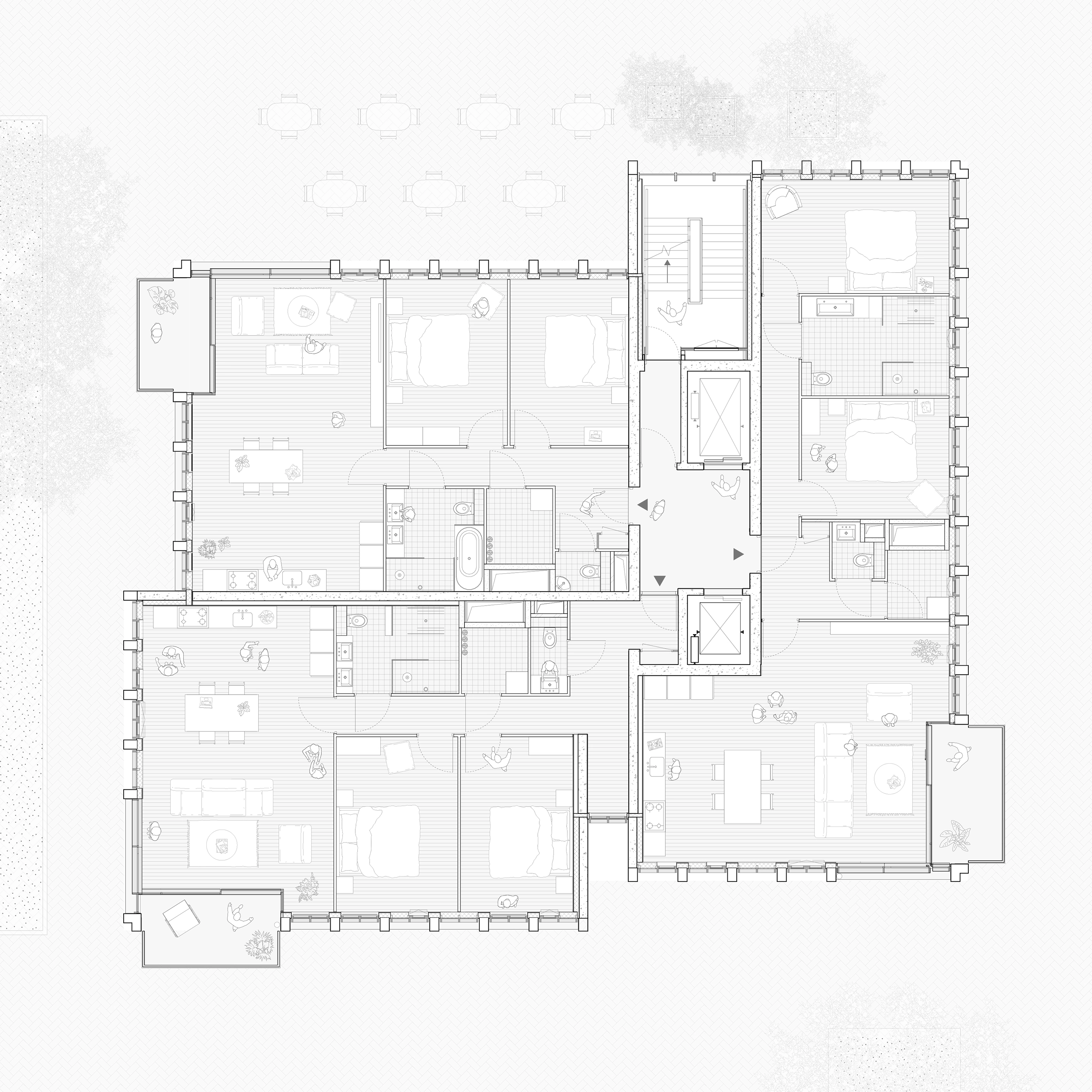
Typical Level Plan
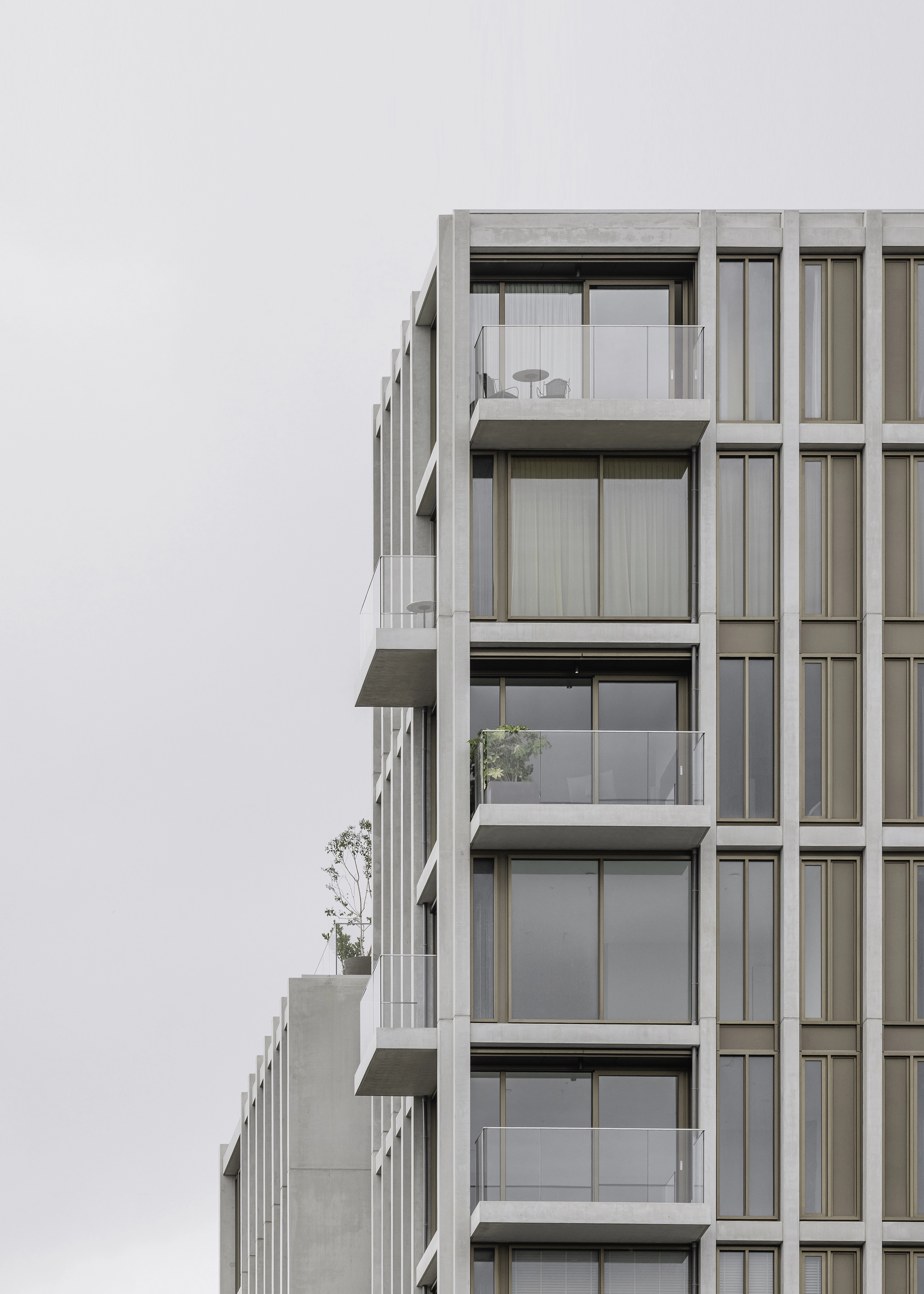
Staggered Balconies - Exterior Shot
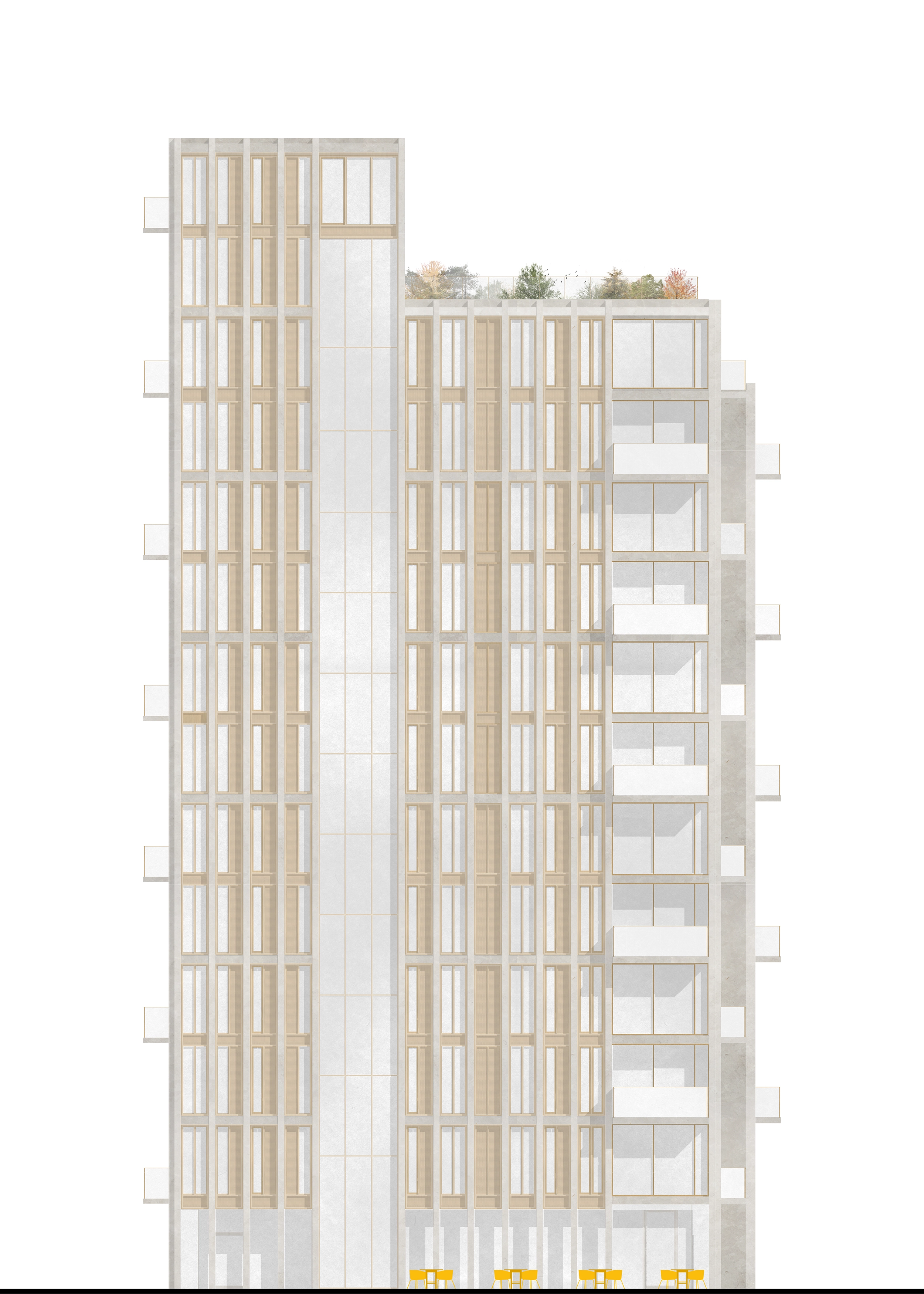
North Elevation
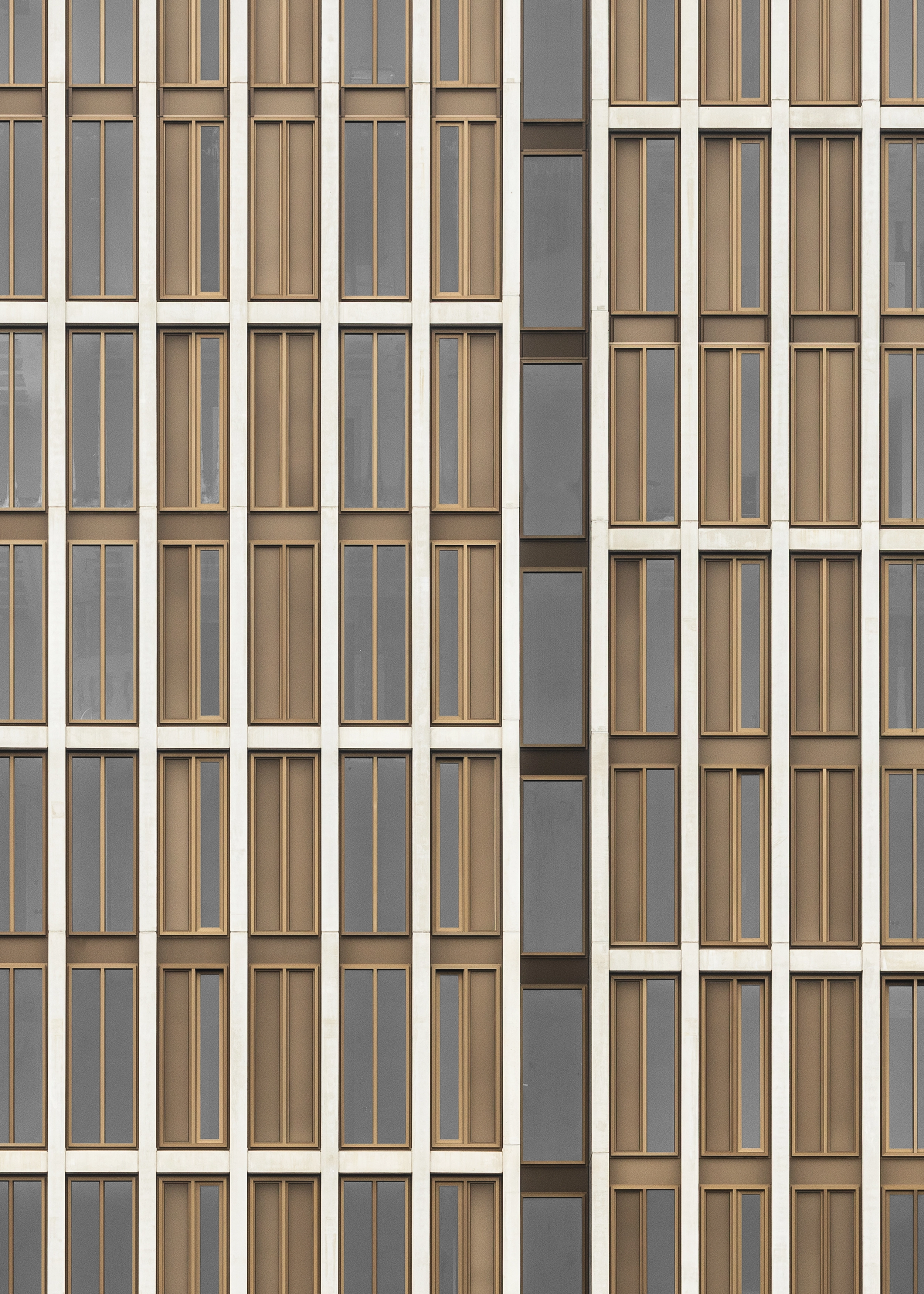
Window Typologies - Exterior Frontal Shot
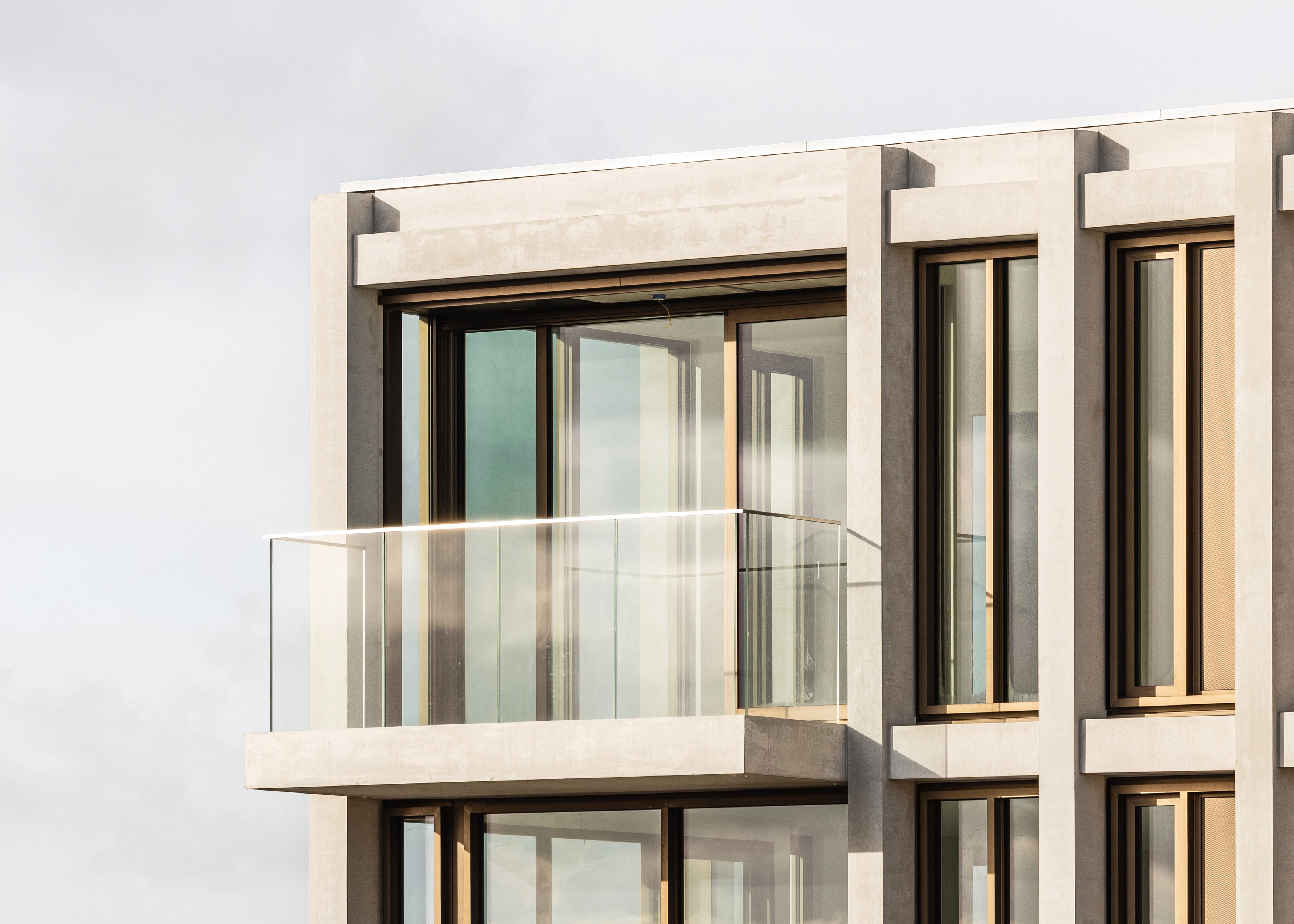
Balcony and Roof Detail - Exterior Shot
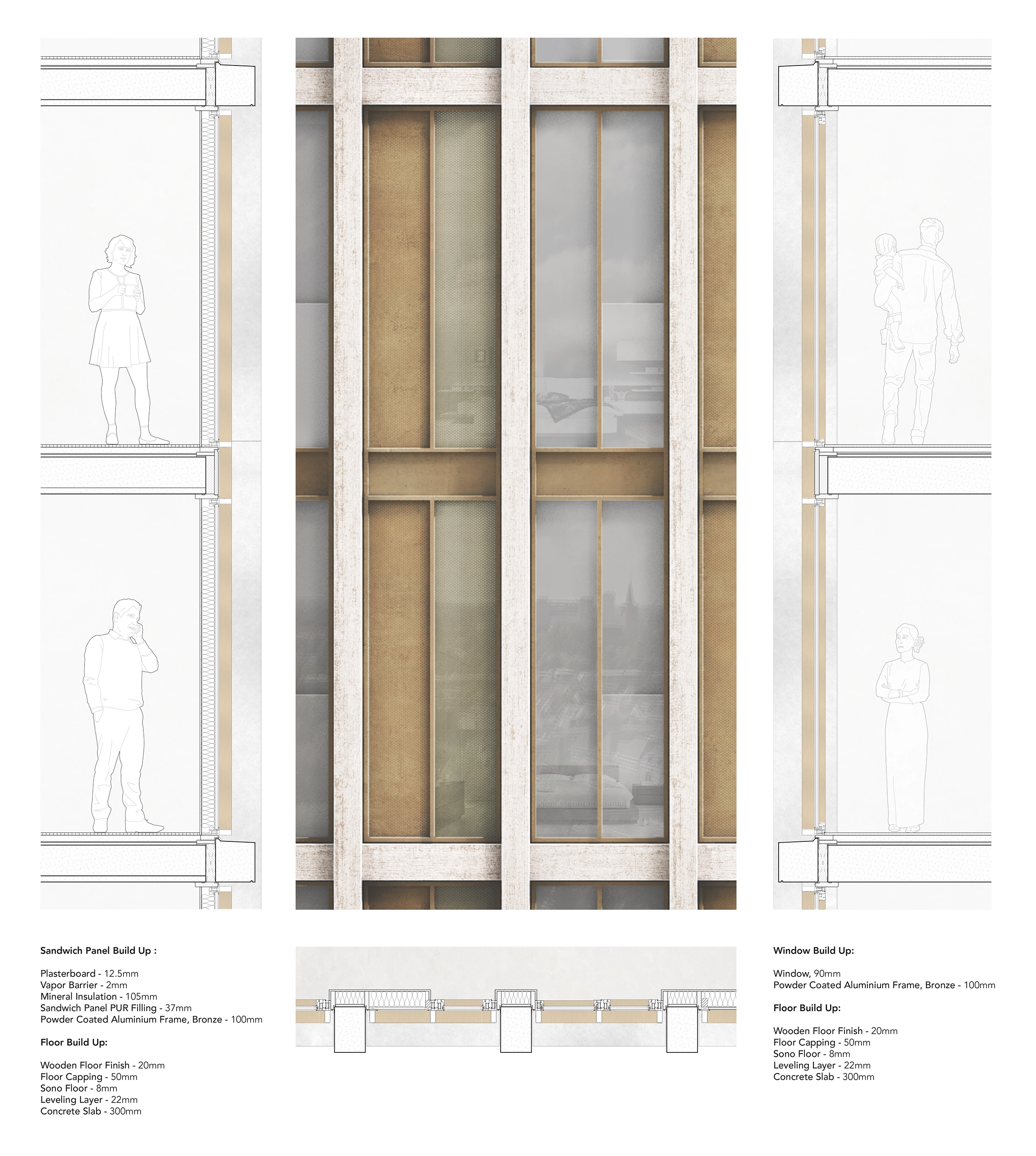
Façade Detail